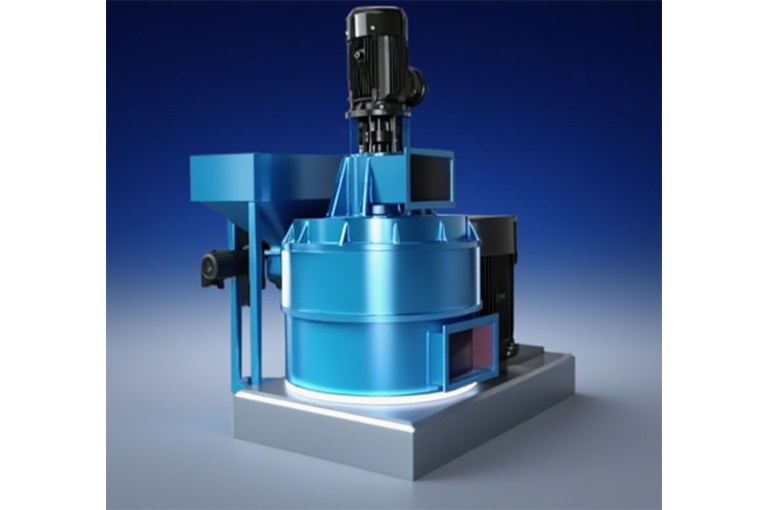
Synthetic Graphite Anode Production Line
01. Rough area
02. Crushing and grading zone
03. Plastic surgery area
04. Granulation reaction zone
05. Screen partition
06. Mixed zone
07. Pre carbonization zone
02. Crushing and grading zone
03. Plastic surgery area
04. Granulation reaction zone
05. Screen partition
06. Mixed zone
07. Pre carbonization zone
08. Depolymerization zone
09. Graphitization zone
10. Demagnetization zone
11. Covering area
12. Carbonization zone
13. Packaging area
09. Graphitization zone
10. Demagnetization zone
11. Covering area
12. Carbonization zone
13. Packaging area

Solution Overview
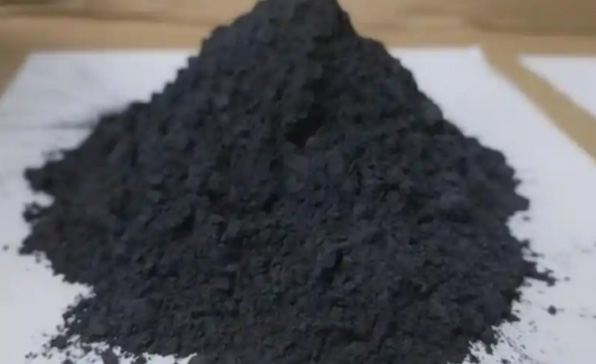
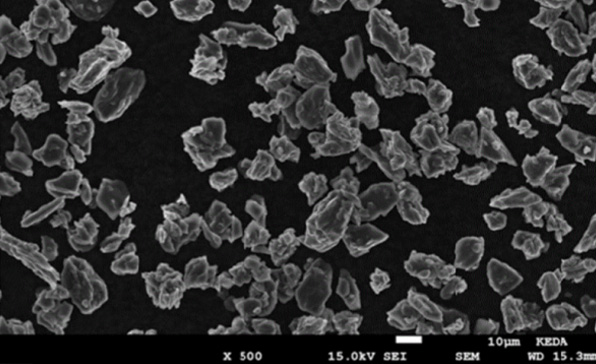
Synthetic graphite is the mainstream anode material for lithium-ion batteries, accounting for over 80% of the market. It features high electrical conductivity, excellent cycling stability, and favorable cost controllability, making it widely adopted in power batteries, energy storage batteries, and consumer electronics batteries. Its production line converts carbonaceous raw materials such as petroleum coke and needle coke into highly graphitized powder with a well-ordered layered structure through a series of specialized processes.
-
350
mAh
Capacity:≥ -
92
%
First-effect:≥ -
3000
次
Cycle:≥
Parameters
| Parameter Name | Battery specification requirements | Test Method |
|---|---|---|
| Fixed carbon | ≥99.9% | Ash loss on ignition method |
| Ash content | ≤0.05% | High-temperature calcination method |
| Sulfur content | ≤0.02% | Infrared absorption method |
| Volatile matter | ≤0.1% | Thermogravimetric analysis (TGA) |
| Moisture content | ≤0.05% | Karl Fischer titration |
| Graphitization degree | ≥90% | XRD-Raman spectroscopy |
| Specific surface area | 0.3~20 m²/g | BET nitrogen adsorption method |
| BET nitrogen adsorption | <1.1 | Electrical resistivity directional test |
| Electrical resistivity directional test | <1.1 | Electrical resistivity directional test |
| Initial discharge capacity | 340~352 mAh/g | Battery test cabinet |
| Initial efficiency | ≥92% | Battery test cabinet |
| Compacted density | ≤1.55 g/cm³ | Maximum polar sheet design value |
| Cycle life | >3000 cycles | Power battery requirements |
Swipe left and right to view the complete table