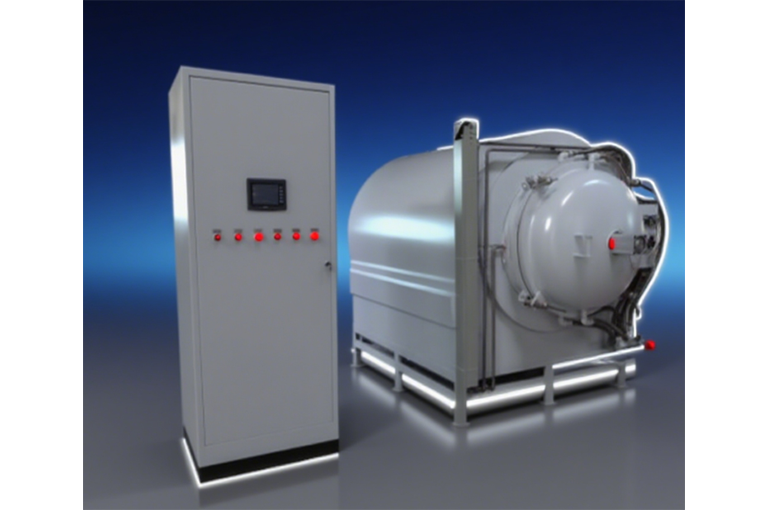
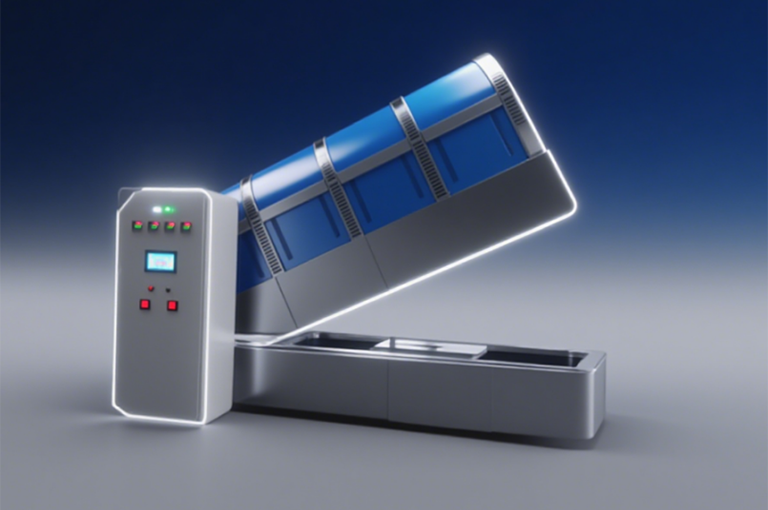
Silicon-Oxycarbon Anode Production Line
01. Screen partition
02. Carbon coating
03. Pre lithiation zone
04. Acid washing centrifugal zone
02. Carbon coating
03. Pre lithiation zone
04. Acid washing centrifugal zone
05. Drying area
06. Crushing and grading zone
07. Demagnetization zone
08. Packaging area
06. Crushing and grading zone
07. Demagnetization zone
08. Packaging area

Solution Overview
Silicon oxide (SiOₓ)/silicon carbon (Si-C) silicon-based anode materials are currently one of the core research and development directions for high-energy density lithium-ion battery anodes. The theoretical specific capacity of silicon is as high as 4200 mAh/g (more than 10 times that of graphite), but pure silicon undergoes a volume expansion of approximately 300% during charging and discharging, leading to electrode pulverization and degraded cycling performance. Therefore, it is necessary to composite it with oxygen and carbon (forming SiOₓ or Si-C composite materials), and combine it with processes such as nanomaterialization and coating to alleviate expansion and improve electrical conductivity.
-
1500
mAh
Capacity:≥ -
88
%
First-effect:≥ -
3
ppm
Magnetic substance:≥
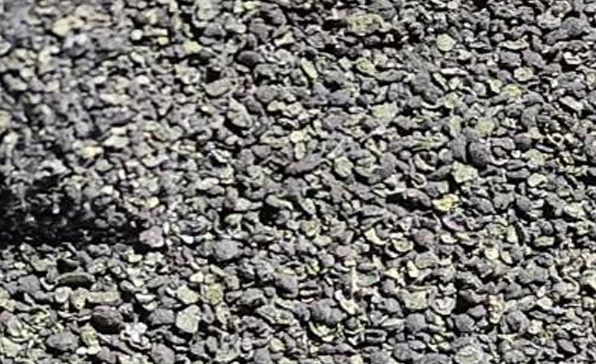
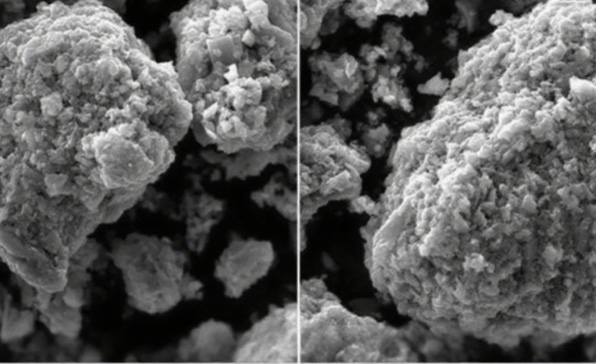
Parameters
| Parameter Name | Battery level requirements | Test Method |
|---|---|---|
| Specific Surface Area | 1-5m²/g | BET Nitrogen Adsorption Method (GB/T19587) |
| Tapped Density | ≥0.85/cm³ | Tapped Density Tester (GB/T5162) |
| Particle Size Distribution (D50) | 5-15μm | Laser Particle Size Analyzer (ISO13320) |
| Iron Element (Fe) | ≤50 ppm | XPS |
| Carbon Content | 3%-5% | Elemental Analyzer (Combustion Method) or TGA |
| Moisture Content | ≤500ppm | Karl Fischer Method (GB/T6283) |
| Magnetic Foreign Matter | ≤100ppb | ICP-MS |
| First Discharge Specific Capacity | ≥1500mAh/g | Battery Test Cabinet |
| First Efficiency | ≥88% | Battery Test Cabinet |
| Cycle Life | ≥600 times | Battery Test Cabinet |
Swipe left and right to view the complete table