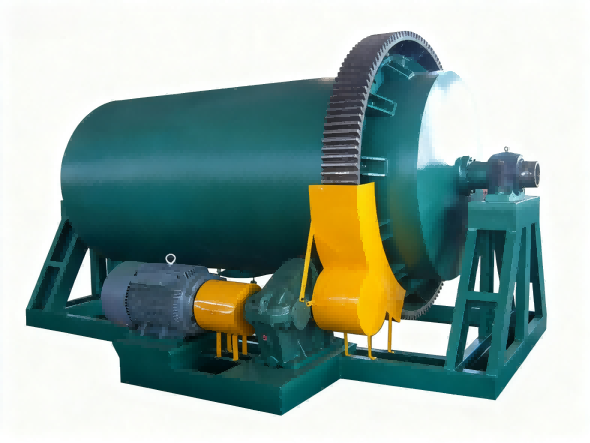
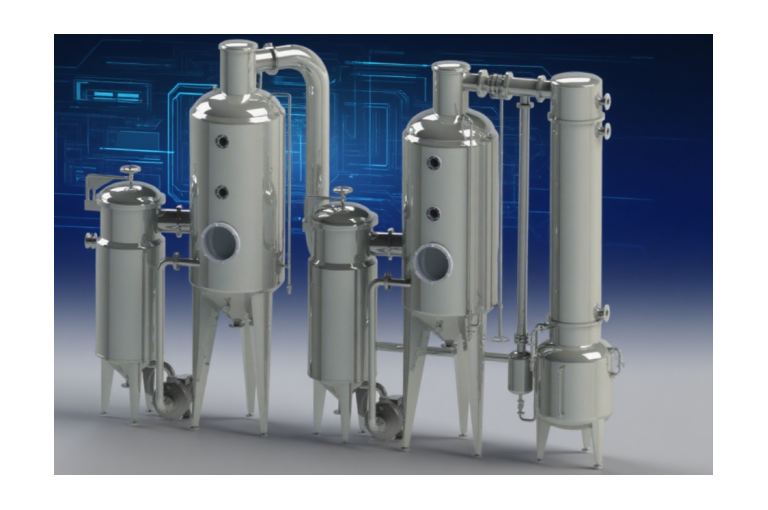
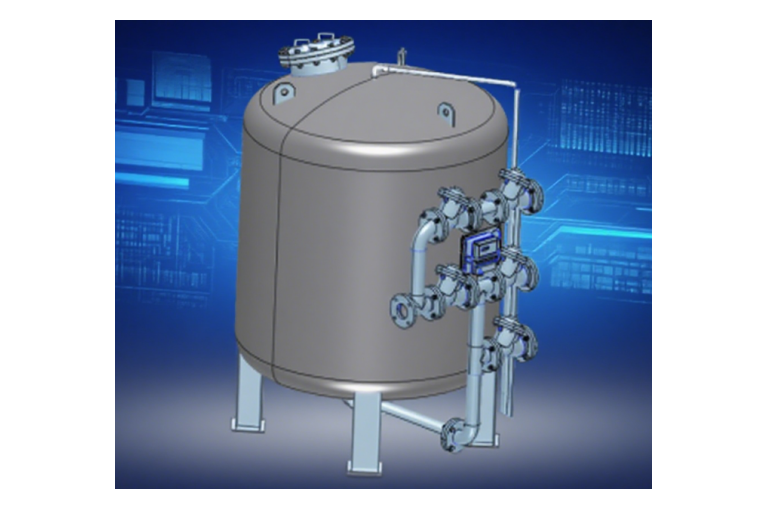
LFP Cathode Production Line
01. Primary Crushing Zone
02. Coarse Grinding Zone
03. Flotation Zone
04. Separation Zone
05. Sintering Zone
06. Acid Leaching Zone
07. Purification Zone
08. Crystallization Zone
02. Coarse Grinding Zone
03. Flotation Zone
04. Separation Zone
05. Sintering Zone
06. Acid Leaching Zone
07. Purification Zone
08. Crystallization Zone
09. Centrifugation Zone
10. Drying Zone
11. Screening and Demagnetization
12. Mixing Zone
13. Fine Grinding Zone
14. Spray Drying Zone
15. Pulverization Zone
16. Packaging Area
10. Drying Zone
11. Screening and Demagnetization
12. Mixing Zone
13. Fine Grinding Zone
14. Spray Drying Zone
15. Pulverization Zone
16. Packaging Area

Solution Overview
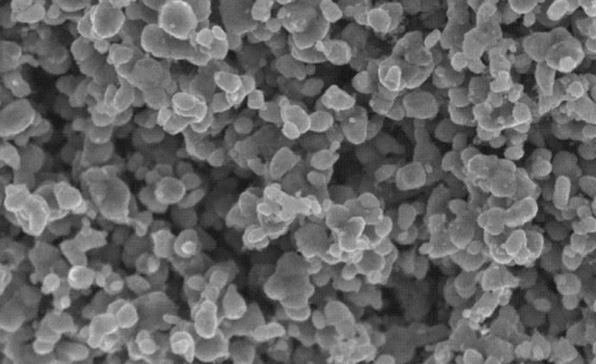
Lithium iron phosphate(LFP), as a highly safe, long-cycle life, low-cost lithium battery cathode material, is widely used in power batteries, energy storage batteries, consumer electronics, and other fields. The core objective of its production line is to convert raw materials into LFP powder that meets battery performance requirements through a series of processes.
-
140
mAh
Capacity:≥ -
93
%
First-effect:≥ -
2.5
g/cm²
Compaction density: 2≥
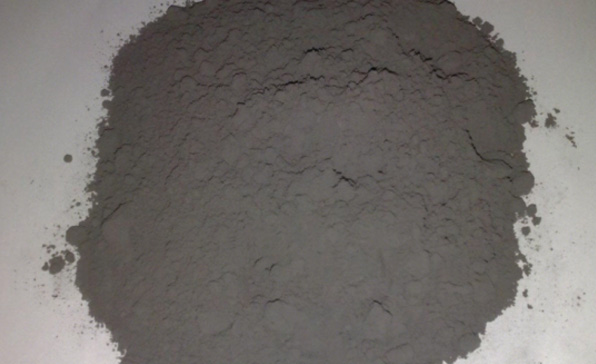
Parameters
| Parameter Name | Typical Value/Requirement | Test Method |
|---|---|---|
| LiFePO₄ Purity | ≥ 99.0% (mass fraction) | ICP-OES/XRF |
| Lithium Content (Li) | 4.4-4.6 wt% | ICP-MS |
| Iron Content (Fe) | 35.0-35.8 wt% | ICP-MS |
| Phosphorus Content (P) | 19.0-19.8 wt% | Spectrophotometry |
| Moisture (H₂O) | ≤ 500 ppm | Karl Fischer Titration |
| Sulfate Ions (SO₄²⁻) | ≤ 200 ppm | Ion Chromatography |
| Magnetic Foreign Matter | ≤ 50 ppb | Magnetic Detector |
| Heavy Metals | ≤ 20 ppm | ICP-MS |
| Crystal Morphology | Olivine structure | XRD |
| Median Particle Size | 0.5-2.0 μm | Laser Particle Size Analyzer |
| Specific Surface Area (SSA) | 10-20 m²/g | BET Nitrogen Adsorption |
| Tapped Density | 1.0-1.4 g/cm³ | Tapped-Drum Bulk Density Tester |
| Pressed Density | 2.2-2.6 g/cm³ (electrode sheet) | Pressure Tester |
| Carbon Coating Amount | 1.0-3.0 wt% | TGA |
| Carbon Layer Uniformity | Continuous defect-free coating | TEM |
| Free Iron (Fe) | ≤ 300 ppm | Atomic Absorption |
Swipe left and right to view the complete table